
Can scuba diving at depth support recovery from PTSD? We think so…

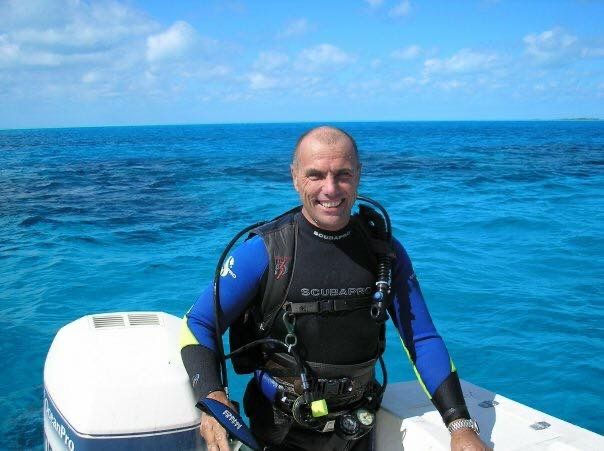
Since 2019, Kevin James has welcomed people living with PTSD (and complex PTSD) to Long Island in the Bahamas to take part in an intensive scuba diving programme at Dean’s Blue Hole(1). Over 10–14 days, participants learn new skills, build confidence and spend time in a calm and supportive environment. So far, everyone who has completed the programme has reported significant reductions in their PTSD symptoms, with follow-ups suggesting that the benefits can last for months and even years.
While more research is still needed, early evidence suggests that scuba diving at depth may offer a powerful and hopeful pathway to recovery for people living with trauma.
Post-Traumatic Stress Disorder (PTSD) can develop after experiencing or witnessing traumatic events, and some people experience Complex PTSD after repeated or long-term trauma. Symptoms may include flashbacks, anxiety, emotional numbness, sleep difficulties and feeling constantly on edge. For many people, these symptoms can make everyday life feel overwhelming.
Traditional treatments such as therapy and medication can help, but they do not work for everyone. Many people continue to struggle despite trying multiple approaches. This is why innovative and complementary forms of support are so important.
Academic research into scuba diving and mental health is still developing, but studies suggest diving can reduce stress and improve wellbeing. Participants in diving programmes often report feeling calmer, more confident and more connected to themselves and others. Some studies have found significant reductions in PTSD symptoms following structured diving programmes, with improvements lasting beyond the end of the course.(2)(3)
Scuba diving brings together several elements that may support mental health recovery. It combines gentle physical activity with controlled breathing and focused attention, all of which are known to support emotional regulation and can help calm the body’s stress response. The underwater environment is rich, engaging and absorbing - helping people focus on the present moment and take a break from intrusive thoughts. Learning to dive also builds confidence and a sense of achievement, which can be especially meaningful for people whose lives have been shaped by trauma.
But the work that Kevin has been doing with visitors to Dean’s Blue Hole - and the really incredible results that they report - suggests something more profound is going on. And it might have something to do with how diving at depth interacts with brain chemistry. Some tantalising signals from neuroscience research suggests that diving at depth may positively disrupt the chemical pathways that “lock” people into their trauma. Something similar might be going on with results emerging for Hyper Baric Oxygen Therapy (HBOT) effects on symptoms of PTSD. More research is needed to understand what these mechanisms might be, and how they are showing up in the overall treatment approach. (4)(5)
For many people, the journey with Depthworks is about more than reducing symptoms. It is about surfacing a sense of possibility — and discovering that recovery can feel within reach.
The DepthWorks protocol is a structured, intensive 10-14 day programme of diving at depth - up to 30 meters, depending on the diver’s qualification level with long, safety stops designed to promote peaceful reflection. But this is only one part of the experience.
Participants are supported by a skilled and compassionate team in an environment structured around clear action, physical challenge and an explicitly non-therapeutic approach. DepthWorks works in a trauma-informed way, but Kevin is not a therapist. At no point are participants required to talk about the experiences that brought them to the programme. However, if and when they want to talk, we listen.
We create non-judgemental spaces for reflection, help participants orient towards a more hopeful future and support them in capturing their perspectives on their treatment. Practically, the programme focuses on helping people reconnect with their strengths and build practices they can continue using after they return home.
Many participants describe the experience as life-changing. They often speak about rediscovering calm, regaining confidence and feeling hopeful about the future again. For people who have lived with trauma for many years, these changes can be profound.
Scuba diving at depth, within a structured protocol is not being offered as a replacement for traditional mental health care, but it may offer a valuable additional pathway for people who need something different. By combining evidence, learning and lived experience, DepthWorks continues to explore how scuba diving based programmes can support lasting recovery.

Comments